About us
Bihar Visual Archive began as an Instagram page by Akash Bharadwaj as part of his PhD project in 2021. It was born from a desire to engage with the region’s overlooked histories and everyday visual cultures. Over the past four years, it has grown into a collaborative social lab - a network of artists, designers, researchers, and public professionals committed to exploring the region’s past and present in new ways.
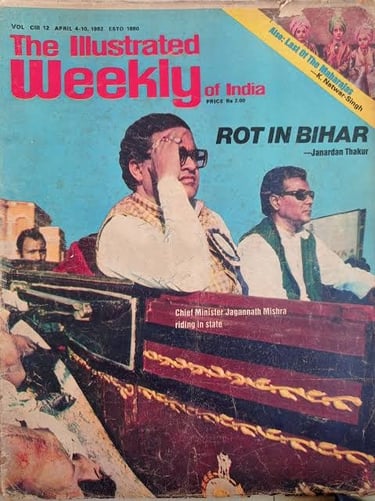
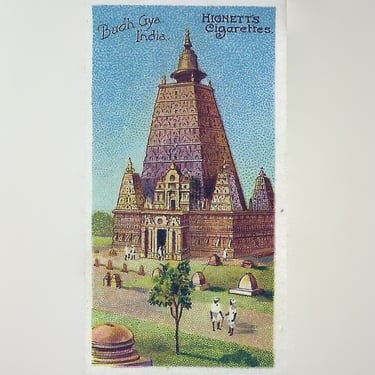
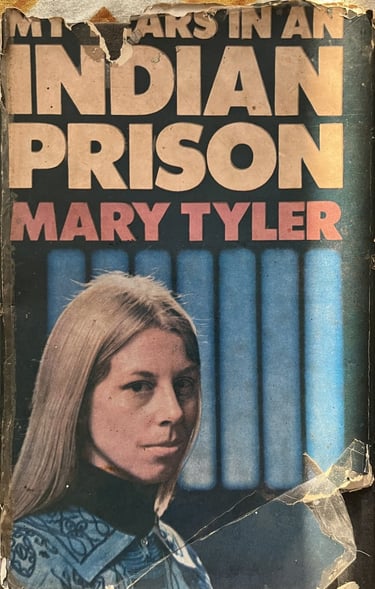
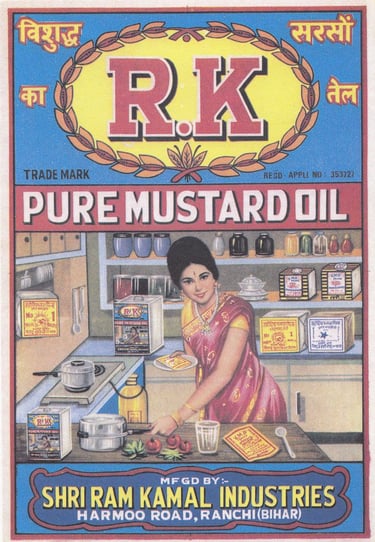
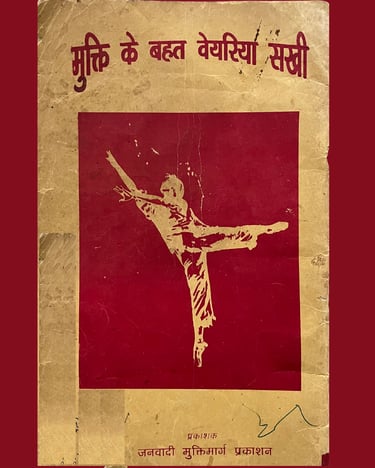
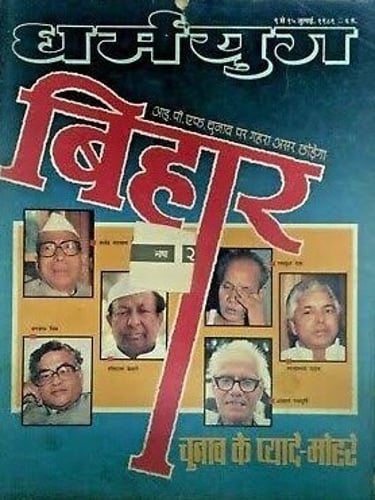
We have been collecting and cataloguing over 200 books related to the politics, culture, and heritage of Bihar, in Hindi, English, Maithili, and Bhojpuri. In addition to this, we have also been compiling a catalogue of over 1500 images and about 200 videos, drawn from both primary and secondary sources, covering everyday life, architecture, memory, material culture, and the region’s social and political life.
Our work is grounded in archival thinking and material memory that help us explore and interpret the histories of Bihar and its layered connections with other parts of the world. While the Archive gathers memory, the Lab activates it through collaboration, creative exploration, and community engagement, turning it into a space for dialogue and cultural preservation.
Our Projects
The Bihar 2025 Elections’ Archive
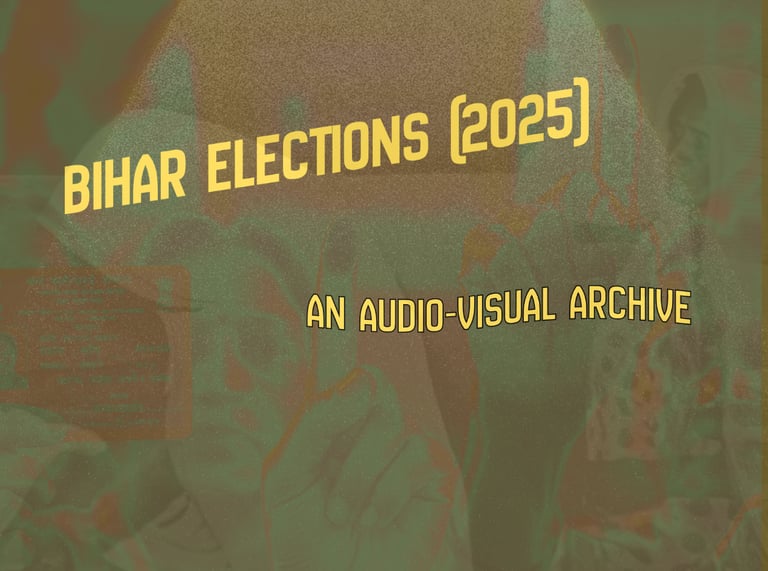
For some, the 2025 Bihar Election results were a big success. For others, a disappointment on the verge of failure. Yet, the election unleashed a range of opinions and perspectives. In the days leading up to polling and counting, Bihar was everywhere: on news channels, in reels, on podcasts, in debates. Political analysts, economists, researchers, journalists and a whole wave of content creators - all turned their lens toward Bihar. Together, they produced a massive amount of content on Bihar’s culture, society and history. But here’s the thing: Bihar usually gets national attention only during big events - floods, elections, crises. And once the spectacle is over, the narratives fade. The media moves on. We don’t want that to happen. So, we’ve curated 20+ GB of audio-visual material from this election coverage, featuring entrepreneurs, workers, artists, politicians, students, public intellectuals, and ‘common’ public... voices that speak to Bihar’s present and are interested in its future. If you want to access our metadata & collections, write to us at info@biharvisualarchive.in.
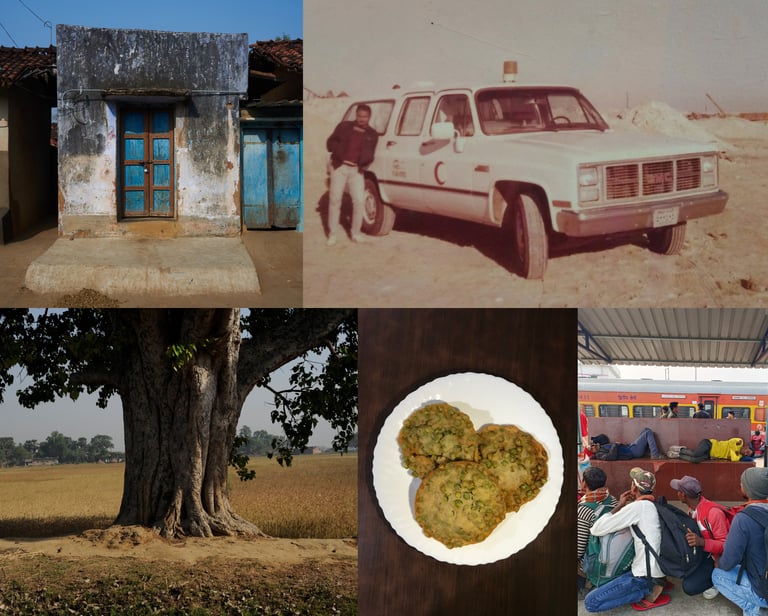
Poorvanchal Aur Palayan: Transversing Migration Narratives
A virtual storytelling project led by Sudeshna Rana (Dhanbad Journal) and Akash Bharadwaj (Bihar Visual Archive). Focusing on Bihar, Jharkhand, eastern Uttar Pradesh, and parts of West Bengal and Odisha, the project, in its inaugural edition (2023-24), brought together stories of migration, ranging from students' and marital relocation to labour mobility and transnational journeys shaped by indenture, Partition, and the Gulf oil boom. Supported by the Serendipity Arts Foundation, it highlighted the diverse lived experiences of eastern India, challenging dominant narratives that often overlook the region’s complex histories and cultural connections.
Get in Touch
Contact
© 2026 Bihar Visual Archive & Lab. All rights reserved.